

The evolution of gambling A journey through history
The Origins of Gambling
The history of gambling dates back thousands of years, with evidence found in ancient civilizations such as Mesopotamia, where clay tablets dating to around 3000 BC depict the use of dice. Early gambling often took place in the form of betting on games of chance or competitive events, which were deeply intertwined with the cultures and rituals of those societies. As people sought entertainment, the practice of gambling evolved, reflecting a blend of leisure and superstition. Today, many might even be lured into exploring online casinos for their gaming experiences.
In ancient Rome, gambling was widely accepted and even celebrated, with citizens participating in games that involved betting on chariot races and gladiatorial contests. Although some leaders attempted to regulate or ban gambling due to its potential for corruption, it remained a popular pastime. The social aspect of gambling was significant, as it brought people together, creating bonds and rivalries within communities.
The Rise of Casinos
The modern concept of casinos began to take shape in the 17th century in Italy, with establishments like the Ridotto in Venice opening their doors to the public. These early casinos were designed as places for socializing and entertainment, where patrons could engage in a variety of games. The idea of a dedicated space for gambling quickly spread across Europe, leading to the establishment of more sophisticated venues that offered various games of chance. Throughout the years, various tips and tricks emerged to help players improve their odds and enhance their overall gambling experiences.
The Impact of Technology
As technology advanced, so did the world of gambling. The introduction of mechanical slot machines in the late 19th century revolutionized the industry, making gambling accessible to those who may not have been interested in card games or betting on sports. These machines allowed patrons to engage in gambling quickly and easily, leading to their widespread popularity in bars and saloons.
In recent decades, the emergence of the internet has transformed gambling once again. Online casinos now allow players to enjoy their favorite games from the comfort of their homes, with virtual environments replicating the thrill of physical casinos. This shift has opened up new opportunities for players and operators alike, allowing for innovations such as live dealer games that bridge the gap between digital and real-life gambling experiences.
The Legal Landscape of Gambling
The evolution of gambling has also been shaped by legal frameworks, which vary greatly from one region to another. In many parts of the world, gambling was once viewed with suspicion and was heavily regulated or outright banned. However, as attitudes shifted and governments recognized the potential economic benefits, many countries began to legalize and regulate various forms of gambling.
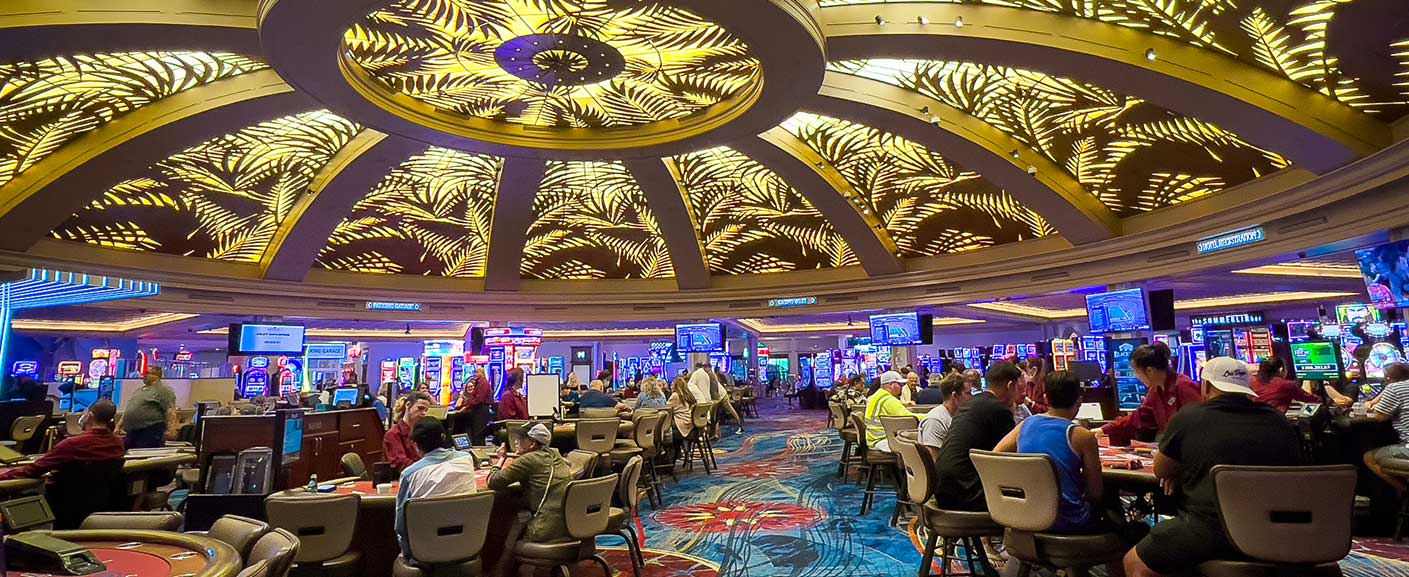
The legalization of gambling has led to significant economic contributions, including job creation and increased tourism. Some regions, particularly Las Vegas in the United States, have become iconic gambling destinations. The ongoing debate about the ethics and social implications of gambling continues to shape laws and regulations in various jurisdictions, highlighting the complexities of this age-old activity.
Exploring Future Trends in Gambling
As we look to the future, the gambling industry is poised for further transformation. Advances in technology, such as virtual reality and blockchain, may redefine the gambling experience and enhance player engagement. Additionally, the integration of artificial intelligence could lead to more personalized gaming experiences and responsible gambling measures.
This ongoing evolution of gambling reflects changing societal attitudes and technological advancements, ensuring that this age-old pastime continues to adapt and thrive in the modern world. As new platforms and regulations emerge, the gambling landscape will likely expand, offering exciting opportunities for both players and operators alike.
“`