

The hidden forces influencing the psychology of gambling
The Allure of Uncertainty
The psychology of gambling is deeply influenced by the allure of uncertainty. This phenomenon, known as risk-taking behavior, draws players into the world of casinos and betting. The thrill of not knowing the outcome creates a heightened sense of excitement and anticipation. Each spin of a slot machine or roll of the dice becomes an event filled with potential rewards, which can be irresistible for many individuals. Players often seek options that may include a non gamstop uk casino for a more unrestricted experience.

Moreover, this uncertainty taps into the human instinct for reward-seeking behavior. The possibility of winning big often overshadows the risks involved, leading to a cognitive bias where players may underestimate the likelihood of losses. This skewed perception can contribute to an ongoing cycle of gambling, where the prospect of a win fuels continued engagement.
The Role of Environment
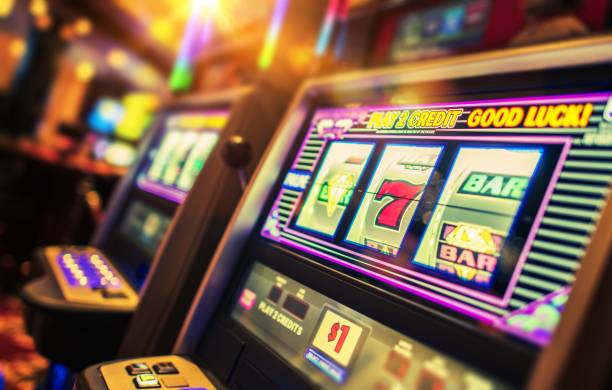
The environment in which gambling takes place also plays a critical role in shaping psychological responses. Casinos are designed with specific lighting, sounds, and layouts that enhance the experience. The sensory overload can create an immersive atmosphere, making it difficult for players to gauge the passage of time and their spending habits.
Additionally, social interactions within the gambling environment can amplify emotional responses. The presence of others, whether fellow players or staff, contributes to a communal atmosphere that can influence decisions and behavior. The combination of environmental cues and social factors often encourages individuals to gamble more than they initially planned.
The Illusion of Control
Many gamblers fall victim to the illusion of control, believing that they can influence the outcome of games that are fundamentally based on chance. This belief is particularly prevalent in activities like poker, where players may feel their skills can sway the results. Such a mindset can lead to overconfidence and increased gambling behavior.
Understanding this psychological phenomenon is essential for both players and those who support them. Recognizing that many gambling outcomes are purely random can help mitigate the risks associated with excessive gambling. However, breaking through this illusion requires a conscious effort and awareness of the underlying cognitive biases at play.
The Impact of Emotional States
Emotions significantly influence gambling behavior. Many individuals turn to gambling as a means of escaping negative feelings such as stress, anxiety, or depression. This emotional coping mechanism can lead to problematic gambling, where individuals chase losses or seek validation through wins. The cyclical nature of this behavior can trap individuals in a detrimental loop.
Conversely, positive emotions can also impact gambling choices. Feelings of happiness or excitement may lead players to engage more frequently, often resulting in higher spending. Understanding the relationship between emotional states and gambling can aid in developing strategies for responsible gaming and help individuals recognize when their emotional well-being is at risk.
Exploring Safe Gambling Options
In the ever-evolving landscape of online gambling, players are seeking secure and reliable alternatives to traditional gaming platforms. Our website serves as a comprehensive resource for those interested in non-GamStop casinos, presenting a curated list of safe sites where players can enjoy their gaming experience without restrictions.
With an emphasis on providing information about attractive bonuses, diverse game selections, and enhanced privacy features, our platform empowers users to make informed choices. Whether you’re looking for faster payouts or exciting promotions, our goal is to ensure an engaging and responsible gaming journey for all enthusiasts.